
Alere™ HIV Combo
HIV
Human Immunodeficiency Virus
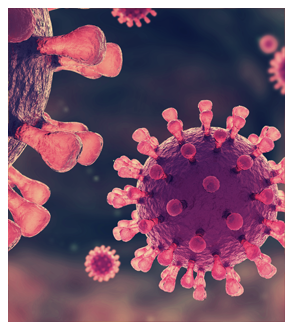
HIV, or human immunodeficiency virus, is the virus that causes AIDS (acquired immuno-deficiency syndrome).
It attacks the immune system by destroying CD4 positive (CD4+) T cells that are vital to fighting off infection. HIV belongs to a class of viruses known as retroviruses.
Within that class, HIV is in the lentivirus subgroup, the members of which are known for having a long time period between initial infection and the beginning of serious symptoms. This is why there are many people who are unaware of their HIV infection and can unknowingly spread the virus to others. Early detection of HIV infection is critical in helping to minimize further transmission of the disease.
The four main routes of infection are unsafe sex, contaminated needles, breast milk from an infected mother, and birth to an infected mother. Transmission through blood and blood products has largely been eliminated as a result of screening of blood donations.
Since the beginning of the epidemic, almost 75 million people have been infected with the HIV virus and about 36 million people have died of HIV. Globally, 35.3 million [32.2–38.8 million] people were living with HIV at the end of 2012 and within that year 1.6 million people died of AIDS-related illnesses.1
While these figures are staggering, latest figures show that in 119 countries 95 million people were tested for HIV in 20101 and 2 million people newly enrolled on antiretroviral treatment in 2013 – the largest ever annual increase.2
With the right tools for screening and monitoring the disease, and therapy such as antiretroviral drugs, HIV can be a manageable disease.
References
- World Health Organization (WHO) Global Health Observatory (GHO) HIV/AIDS Global Situation and Trends [Online] Accessed: 14 Nov 2014 Available at: http://www.who.int/gho/hiv/en/
- WHO HIV/AIDS Data and Statistics [Online] Accessed: 14 Nov 2014 Available at: http://www.who.int/hiv/data/en/